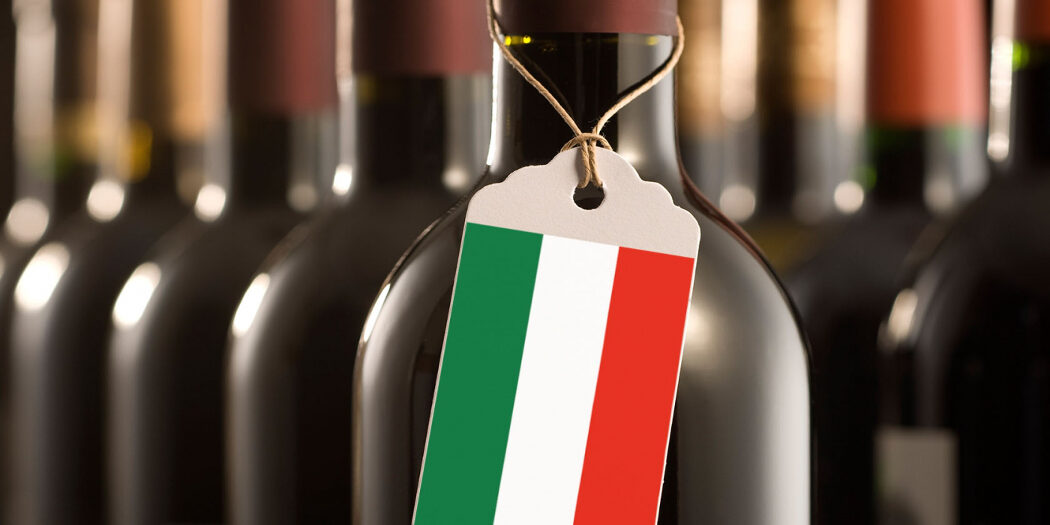
Come vengono percepiti i vini italiani all’estero?
In Europa, l’Italia gode di una ottima reputazione, soprattutto in Germania, dove il wine italiano viene considerato di quality e a buon mercato.
This unlike French wines, which are considered of very high quality, allowing them to sell at high prices. As for the mercato inglese, more than still wines it is the Prosecco a farla da padrona, con quasi il 40% delle bottiglie prodotte esportate, nella capitale possiamo ritrovare moltissime enoteche italiane che portano in alto il valore del made in Italy e la cultura vitivinicola italiana.
Ma oltre oceano come lo vedono?
Oltreoceano, gli Stati Uniti sono il primo mercato di sbocco since the North American consumer knows Italian wine and seeks quality. Spesso segue corsi e partecipa alle degustazioni, legge riviste di settore e si informa sempre sul punteggio dato ad un vino da magazine come Wine Spectator.
L’Italia is the maggior fornitore di vino del mercato americano and in the recent period following the lockdown, a clear increase in online sales and in large-scale distribution was recorded, with figures significantly higher than the French ones.
E invece in Asia?
Currently, Italy's challenge is in the Asian markets, since here wine arrived after many competitors. In Giappone l’Italia ha una lunga tradizione di export e il consumatore locale che beve vino conosce da tempo i nostri prodotti. I nostri prodotti sono conosciuti maggiormente a Hong Kong, Singapore, Shanghai.
The Asian consumer prefers important red wines; those who buy do so consciously and are willing to spend for quality, informing themselves through trade magazines. French wines in China are the best sellers and are often bought as status symbols, followed by Chilean or Australian wines. Compared to the French, we are perceived as lower quality, while we are too expensive if compared to Chilean or Australian wines.
Cosa possiamo fare per migliorarci?
To export more, it is necessary to create a strong promotion strategy in the chosen markets, but it is also essential to understand how consumers perceive Made in Italy. And let us not forget marketing, which plays a fundamental role abroad; things that might seem trivial, like the size of a label, can turn out to be the determining factor in choosing one bottle over another. Just to give some examples, in Nordic countries like Sweden and Norway, more attention is paid to minimalist and light labels and bottles, unlike the bigger labels and bottles, often with styles reminiscent of the baroque, of the Russian market.
E tu, hai mai notato elementi d’attrazione in una bottiglia di vino?
Che cosa noti inizialmente?

 EN
EN  IT
IT